
acf domain was triggered too early. This is usually an indicator for some code in the plugin or theme running too early. Translations should be loaded at the init action or later. Please see Debugging in WordPress for more information. (This message was added in version 6.7.0.) in /home2/hyperm16/so3d.com.br/wp-includes/functions.php on line 6170wp-pagenavi domain was triggered too early. This is usually an indicator for some code in the plugin or theme running too early. Translations should be loaded at the init action or later. Please see Debugging in WordPress for more information. (This message was added in version 6.7.0.) in /home2/hyperm16/so3d.com.br/wp-includes/functions.php on line 6170antispam-bee domain was triggered too early. This is usually an indicator for some code in the plugin or theme running too early. Translations should be loaded at the init action or later. Please see Debugging in WordPress for more information. (This message was added in version 6.7.0.) in /home2/hyperm16/so3d.com.br/wp-includes/functions.php on line 6170woocommerce-gateway-paypal-express-checkout domain was triggered too early. This is usually an indicator for some code in the plugin or theme running too early. Translations should be loaded at the init action or later. Please see Debugging in WordPress for more information. (This message was added in version 6.7.0.) in /home2/hyperm16/so3d.com.br/wp-includes/functions.php on line 6170

The psychological attraction of casino gambling is deeply rooted in the excitement and thrill it provides. Upon entering a casino, individuals are enveloped in an environment designed to heighten their senses, where bright lights, loud sounds, and vibrant colors create an immersive experience. This sensory stimulation can evoke feelings of euphoria, triggering the brain’s reward system. Many players explore options like australian betting sites to enhance their gaming experience, as the anticipation of winning, combined with the potential for immediate gratification, pulls many individuals into the allure of games like slots, blackjack, and roulette, often leading them to return time and again.
Moreover, the social aspect of gambling cannot be overlooked. Casinos serve as social hubs where people gather to indulge in entertainment and camaraderie. Gamblers often find themselves enjoying the shared experience with others, engaging in conversations, and celebrating wins together. This social interaction amplifies the excitement, making the whole experience more appealing. The communal aspect of cheering for a winning hand or collectively gasping at a near miss enhances the thrill, creating a sense of belonging that is hard to resist. This social dynamic plays a significant role in why many individuals are drawn to gambling venues.
The thrill-seeking nature of many individuals also plays a significant role in the attraction to gambling. Psychological studies have shown that those who score high on thrill-seeking personality traits are more likely to indulge in risky behaviors, including gambling. The feelings of risk and reward offer a unique adrenaline rush, similar to extreme sports. This intensified emotional experience serves as a significant motivating factor for people to participate in gambling, often disregarding the potential negative consequences. The combination of sensory stimulation, social interaction, and personal thrill creates a potent mix that draws individuals into the gambling world.
The concept of risk and reward is central to understanding the psychology behind gambling behavior. Players often find themselves caught in a cycle of hope and despair, which can create a compelling narrative that keeps them coming back for more. The prospect of winning often outweighs the potential losses in the minds of gamblers, where the dream of striking it rich overshadows the reality of frequent losses. This cognitive distortion can lead to a skewed perception of risk, as individuals may believe their odds are better than they actually are, leading to continued gambling despite losses. This misjudgment is often reinforced by the occasional win, which serves as a reminder of the potential for success.
Cognitive biases, such as the illusion of control and the gambler’s fallacy, further contribute to this behavior. The illusion of control refers to the belief that one can influence the outcome of a game purely based on skill or strategy, even in games governed by chance. This belief can encourage individuals to take more risks, as they feel empowered to change their fortunes. Similarly, the gambler’s fallacy, the belief that previous results influence future outcomes, can lead gamblers to chase losses in an attempt to “even the score,” perpetuating their cycle of gambling. These cognitive biases can create a dangerous mindset, blinding individuals to the realities of their gambling behavior.
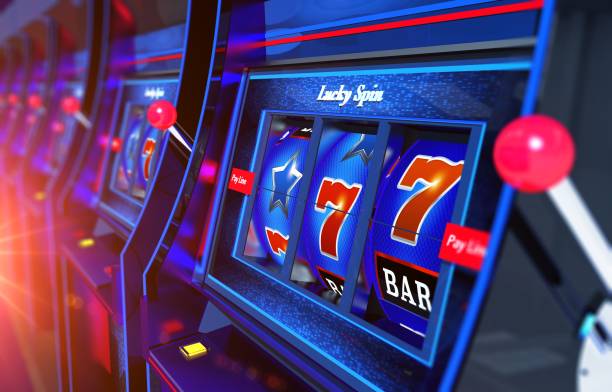
This cycle can be particularly concerning, especially for those who develop gambling addictions. The instant rewards of winning, combined with the occasional big jackpot, can reinforce gambling behavior and create a dependency on the thrill of risk. Behavioral patterns, such as chasing losses, can lead individuals to gamble irresponsibly, impacting their financial stability and emotional well-being. Understanding these psychological mechanisms is crucial for recognizing when gambling crosses the line from entertainment to addiction. By acknowledging these patterns, individuals can seek help before their gambling habits become detrimental to their lives.
The environment within which gambling takes place has a profound impact on a person’s behavior and mental state. Casinos are meticulously designed to draw people in and keep them engaged. With no clocks or windows, establishments create a timeless atmosphere that discourages patrons from leaving. This manipulation of the environment plays on the psychology of overstimulation, making it difficult for individuals to assess how long they have been gambling or the amount of money they have spent. This disorientation can lead to extended gambling sessions, often resulting in significant financial losses.
Additionally, the layout and design of casinos cater to reinforcing gambling behavior. The strategic placement of slot machines, table games, and other gambling options encourages players to engage without considering their limits. Free drinks, complimentary bonuses, and loyalty programs serve as incentives that keep the players in the gaming area longer, often leading to extended periods of play. By creating an atmosphere of abundance and ease, casinos effectively nurture an environment conducive to gambling. The psychological impact of these design elements cannot be overstated, as they play a crucial role in sustaining gambling behavior.
Furthermore, virtual casinos introduce a different environmental aspect that significantly impacts player psychology. Online gambling platforms simulate the casino experience but can often amplify some psychological triggers. Accessibility and convenience can lead to increased gambling frequency, and the ease of financial transactions can desensitize players to their spending habits. The anonymous nature of online gambling can also foster irresponsible behavior, making it essential for players to remain vigilant and self-aware of their limits. This shift in environment underscores the need for awareness and responsibility in all forms of gambling.
The emotional rollercoaster experienced while gambling is a critical component of its psychological pull. Winning can evoke immense joy and satisfaction, while losing can lead to disappointment and frustration. This juxtaposition can create a volatile emotional environment that fuels compulsive gambling. Victories, no matter how small, can reinforce the desire to continue playing, creating a cycle of emotional highs and lows that makes it hard for some individuals to step away. The emotional stakes involved can make gambling feel more compelling and significant than other forms of entertainment.

Furthermore, the emotional impact of wins and losses can drive individuals to engage in specific gambling behaviors. For instance, someone who wins a significant amount may become overconfident and take on riskier bets, believing their luck will continue. Conversely, those who experience losses may double down, trying to regain their money or emotions through increased stakes. These emotional responses illustrate how gambling can become an emotional outlet for stress or anxiety, leading individuals to use gambling as a coping mechanism. This reliance on gambling for emotional relief can quickly spiral into unhealthy patterns.
The role of emotions in gambling behavior also highlights the importance of recognizing when a player’s attachment to gambling transforms from recreational to problematic. Emotional regulation becomes crucial in maintaining a healthy balance in gambling activities. Understanding the psychological triggers related to both winning and losing can help individuals navigate their gambling habits more responsibly, thus fostering better mental health and financial decision-making. Being aware of one’s emotional state while gambling is essential for maintaining control and preventing addiction.
Recognizing the psychological underpinnings of gambling behavior is essential for promoting responsible gambling. Players should be aware of their motivations for gambling, whether for entertainment, socialization, or escape from reality. Adopting a mindful approach to gambling can help individuals recognize their limits and make informed decisions, thereby reducing the risk of developing problematic gambling habits. This awareness is the first step towards cultivating a healthier relationship with gambling.
Many resources are available for individuals who may struggle with gambling or wish to learn more about responsible gambling. Organizations and counseling services offer support and education on gambling addiction and its psychological implications. These resources can provide valuable strategies for managing gambling behaviors and offer insights into how to maintain a healthy relationship with gambling. By utilizing these resources, individuals can better understand their behaviors and work towards more responsible gambling practices.
Ultimately, fostering a culture of awareness and responsibility can bring about positive change in gambling behaviors. By understanding the psychological dynamics at play, individuals can make informed choices that enhance their enjoyment of gambling without succumbing to its potential pitfalls. Responsible gambling promotes a healthier gaming environment and ensures that the thrill associated with casinos remains a source of entertainment rather than distress. Emphasizing responsibility and awareness will help mitigate the risks associated with gambling, allowing individuals to enjoy the experience safely and responsibly.
